Uruguay digital nomad visa
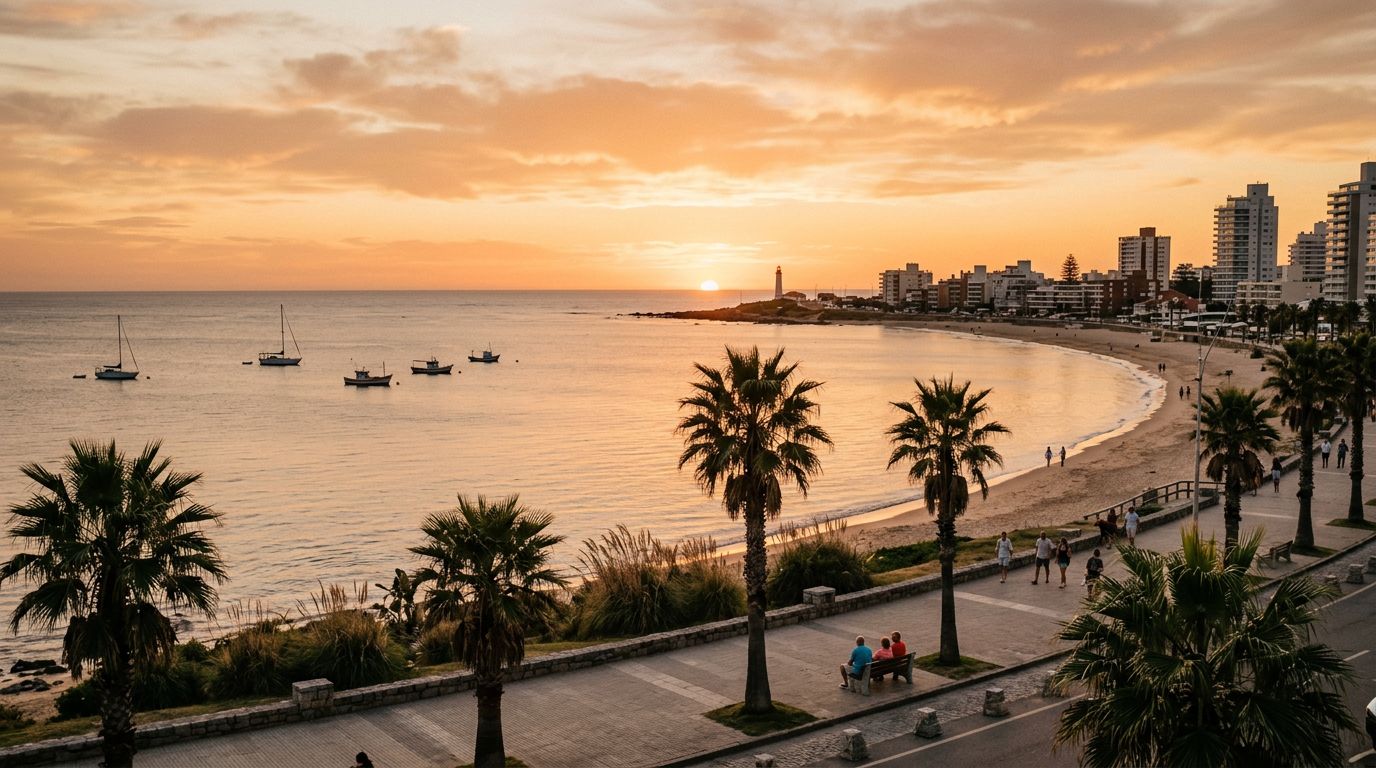
Uruguay is the quiet, stable choice in South America — safe, democratic, and relaxed, with beach towns like Punta del Este and a livable capital in Montevideo. The Digital Nomad Permit has no minimum income and costs almost nothing: you enter as a tourist, file a short online form with a sworn declaration of means, and you're set for six months. A territorial tax system means foreign income generally isn't taxed.
Digital Nomad Permit at a glance ✓ Verified Jul 2026
- Visa cost
- $15
- Length of stay
- 12 months
- Official source: gub.uy · Verified Jul 2026
Requirements
- Self-employment or remote work for companies or clients outside Uruguay
- A sworn declaration confirming you have sufficient means to support yourself (no fixed income minimum; nomads typically show $1,500–$2,000/month)
- Valid passport (most nationalities enter visa-free as tourists to begin the process)
- Be physically in Uruguay to apply
- For renewal: a clean criminal record from each country you've legally resided in for 6+ months over the last five years, plus a vaccination certificate issued in Uruguay
How to apply
- Enter Uruguay as a regular tourist — most nationalities can do this visa-free
- Go to the national migration portal and select 'Residencia Provisoria – Nómadas Digitales'
- Fill out the short online form and upload your passport plus a sworn declaration of financial means
- Pay the small administrative fee (around $10–$15) when prompted later in the process
- Receive a six-month permit, renewable once for another six months — or convert to temporary/permanent residency if you decide to stay
Renewal and long-term stay
- Renewable: yes, up to 1 years in total
- Path to permanent residency: no — time on this visa does not lead to residency
- Path to citizenship: no
180 days, extendable once by another 180 — twelve months and it expires. The extension needs a criminal record certificate. The permit itself establishes no residency and none of the time counts toward it, but Uruguay is unusual in that the separate legal-residency route is genuinely accessible, and citizenship from there is among the more attainable in the region. Treat the nomad permit as a look-around, then switch deliberately.
Tax
- You become tax resident: after 183 days in the country
- Foreign income taxed locally: no — foreign-earned income is not taxed locally
- Special nomad or expat tax regime: yes — see below
Uruguay taxes territorially: foreign-earned income is not taxed here, and that has held despite OECD pressure to move to worldwide taxation. New tax residents also get an 11-year holiday on foreign dividends and interest, after which those are taxed at a flat 12% — note that is passive income, not your remote salary, which is a distinction several guides get wrong. Holding the nomad permit does not by itself make you tax resident, but passing 183 days in a calendar year can. The DGI has been scrutinising foreign-source claims harder lately, so keep contracts, client records and bank statements.
This summarises published rules, not your situation, and it is not tax advice. Two things it can't tell you: your home country may tax you anyway — US citizens are taxed on worldwide income wherever they live — and day-count is only the most common trigger for tax residency, not the only one. Having a permanent home, a family or your centre of economic interests in a country can make you resident well before the day count does. Get advice before you move.
Moving abroad means more than the visa — sort your travel insurance (many visa applications require proof of coverage), set up borderless banking, and land with data working.
First nomad visa? Our digital nomad visa guide explains how qualifying, applying, and taxes work across every country.
Frequently asked questions
Is there an income requirement for Uruguay's nomad permit?
No fixed minimum. Instead of a salary threshold, you sign a sworn declaration that you can financially support yourself during your stay. Most nomads demonstrate around $1,500–$2,000/month in practice, but Uruguay doesn't set a hard number.
Do I have to be in Uruguay to apply?
Yes. You enter as a tourist first — most nationalities can do this visa-free — and then start the digital nomad permit application online from inside the country through the National Migration Office.
How does Uruguay tax my income?
Uruguay uses a territorial tax system, so income earned from foreign employers or clients is generally not subject to Uruguayan income tax. There are also multi-year tax incentives for new residents — worth confirming with a local accountant if you settle long-term.
Can the permit lead to longer-term residency?
Yes. The permit runs six months and is renewable once for another six. If you decide to stay, Uruguay offers a relatively accessible path to temporary and then permanent legal residency, which many nomads transition into.
More visas in Americas
Antigua and Barbuda
Nomad Digital Residence
Argentina
Digital Nomad Visa
Bahamas
BEATS (Extended Access Travel Stay)
Barbados
Welcome Stamp
Visa rules, income thresholds, and fees change — always confirm the current requirements on the official government source (linked here) before applying. This page is informational, not immigration advice. See how we verify this data — and tell us if something here is out of date.