Barbados digital nomad visa
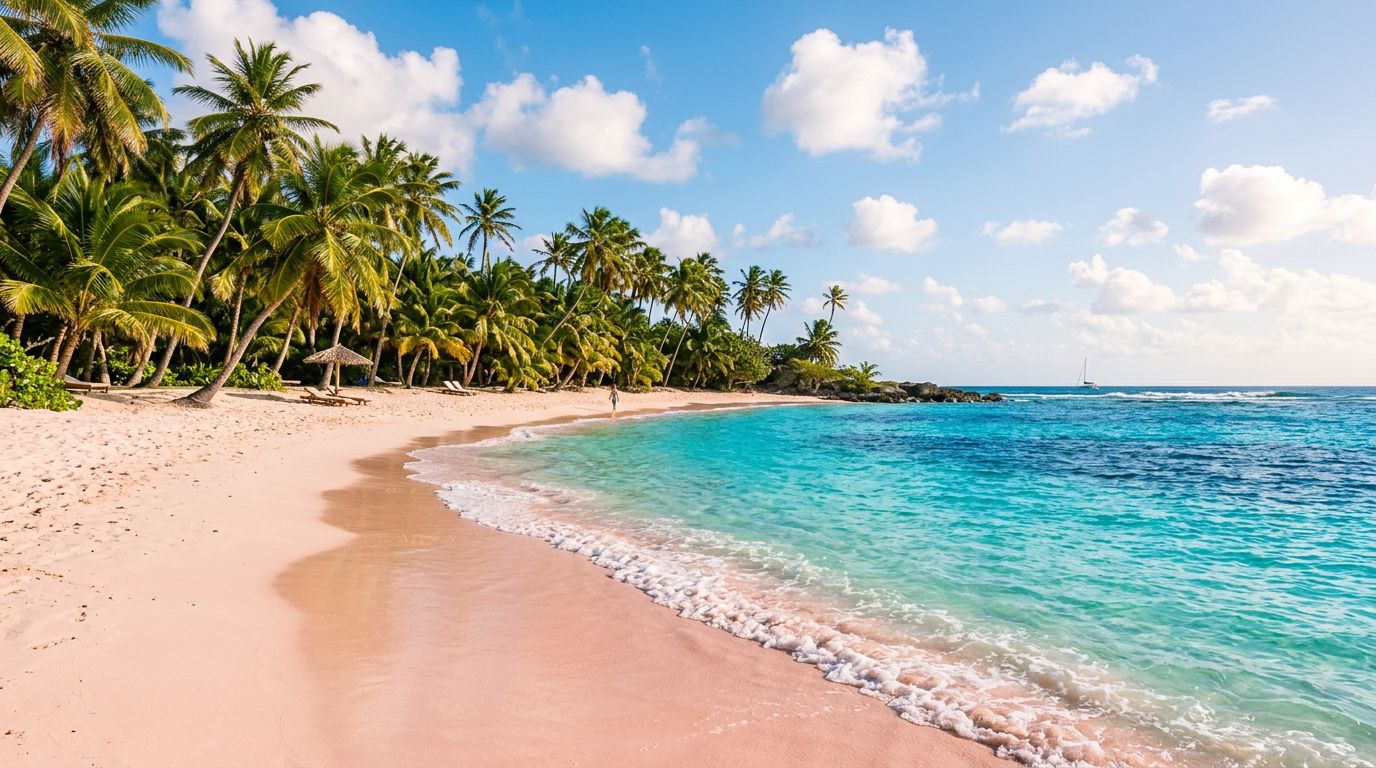
Barbados led the Caribbean nomad-visa wave with its Welcome Stamp — a full year on a famously friendly, English-speaking island of pink-sand beaches and solid infrastructure. The income bar is high ($50,000/year) and the fee steep ($2,000), but there's no local income tax and approval is fast. Best for established earners wanting Caribbean island life.
Welcome Stamp at a glance ✓ Verified Jul 2026
- Income required
- $4167/mo
- Visa cost
- $2000
- Length of stay
- 12 months
- Processing
- ~7 business days
- Official source: barbadoswelcomestamp.bb · Verified Jul 2026
Requirements
- Expected income of at least $50,000/year, earned outside Barbados
- Remote work for an employer, clients, or business based outside Barbados
- Valid passport
- Valid health insurance for the duration of your stay
- Application fee of $2,000 (individual) or $3,000 (family)
How to apply
- Confirm you expect to earn at least $50,000 over the next 12 months from outside Barbados
- Gather documents: passport, proof of income, health insurance
- Apply online for the Welcome Stamp
- Pay the $2,000 individual fee ($3,000 for families) on approval
- Receive approval (typically about 7 business days) and travel; the stamp is valid 12 months
Renewal and long-term stay
- Renewable: yes
- Path to permanent residency: no — time on this visa does not lead to residency
- Path to citizenship: no
Twelve months, renewable annually. The Welcome Stamp is a visitor-class permission and does not itself grant residency; Barbados has a separate five-year route to permanent residence for people residing as immigrants, which this stamp does not put you on. Check the programme still exists before planning: Cabinet has approved it only through 31 December 2026.
Tax
- Foreign income taxed locally: no — foreign-earned income is not taxed locally
- Special nomad or expat tax regime: yes — see below
Unusually explicit, and in your favour: Welcome Stamp holders are deemed NOT tax resident in Barbados and pay no Barbadian income tax on foreign earnings — and that holds even if you spend more than 182 days in the country during the tax year, which is normally the exact line that catches people. The programme's own end date (currently 31 December 2026) is the thing to watch, not the tax treatment.
This summarises published rules, not your situation, and it is not tax advice. Two things it can't tell you: your home country may tax you anyway — US citizens are taxed on worldwide income wherever they live — and day-count is only the most common trigger for tax residency, not the only one. Having a permanent home, a family or your centre of economic interests in a country can make you resident well before the day count does. Get advice before you move.
Moving abroad means more than the visa — sort your travel insurance (many visa applications require proof of coverage), set up borderless banking, and land with data working.
First nomad visa? Our digital nomad visa guide explains how qualifying, applying, and taxes work across every country.
Frequently asked questions
Will I pay tax in Barbados on the Welcome Stamp?
No. Welcome Stamp holders don't pay Barbadian income tax on their foreign earnings — a key draw despite the high fee.
How much does it cost?
$2,000 for an individual or $3,000 for a family, and you must show $50,000/year in income. Renewals get a 25% discount on the fee.
How long can I stay?
Up to 12 months from approval, with no minimum-stay obligation, and it can be renewed.
Is the program still running?
Yes — as of 2026 the Welcome Stamp is confirmed to continue at least through the end of 2026. Check the official site for the latest status before applying.
More visas in Americas
Antigua and Barbuda
Nomad Digital Residence
Argentina
Digital Nomad Visa
Bahamas
BEATS (Extended Access Travel Stay)
Brazil
Digital Nomad Visa (VITEM XIV)
Visa rules, income thresholds, and fees change — always confirm the current requirements on the official government source (linked here) before applying. This page is informational, not immigration advice. See how we verify this data — and tell us if something here is out of date.