Bahamas digital nomad visa
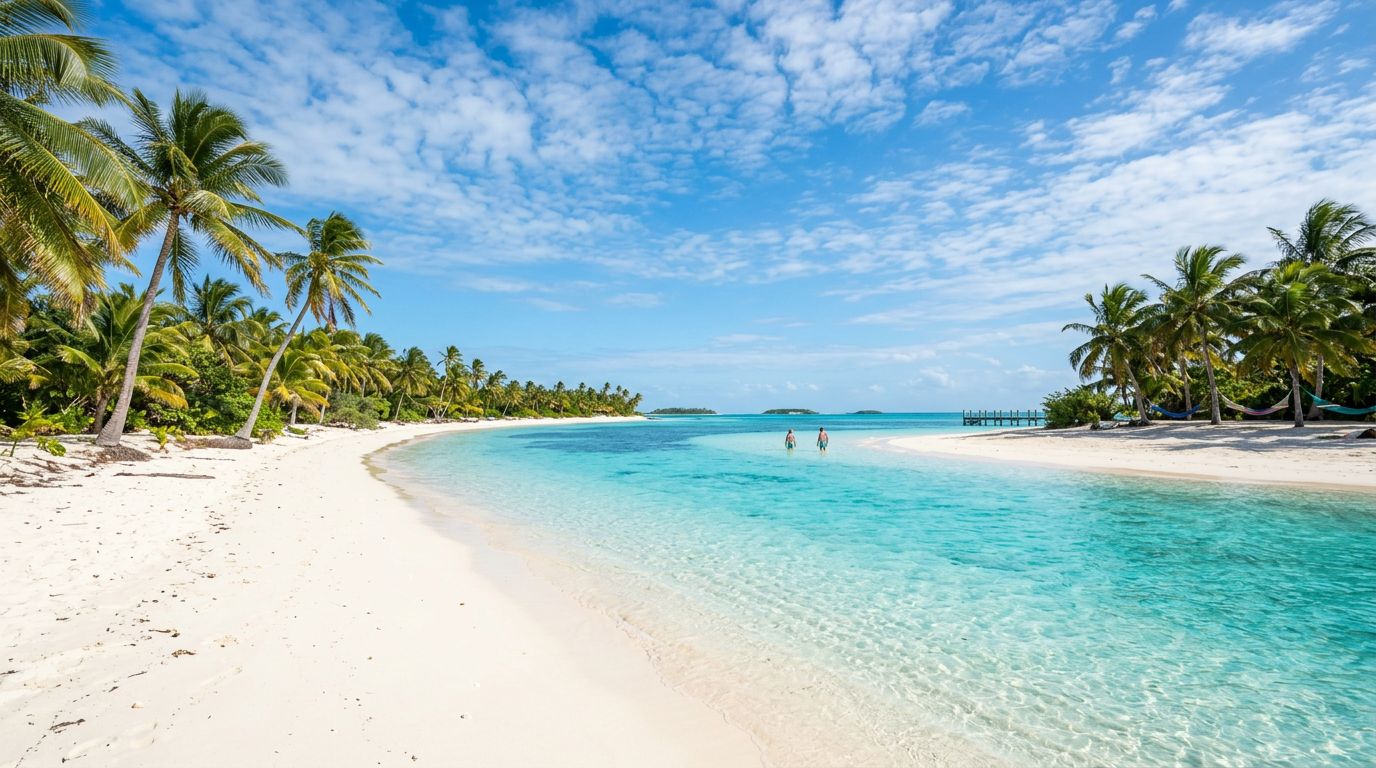
The Bahamas' BEATS program puts you on 700 islands of turquoise water within a short hop of the US east coast. There's no fixed income minimum — just proof you can support yourself — and approval is quick. The catch is cost: the Bahamas is expensive, with nomads typically spending several thousand a month. Renewable up to three years.
BEATS (Extended Access Travel Stay) at a glance ✓ Verified Jul 2026
- Visa cost
- $1000
- Length of stay
- 36 months
- Processing
- ~5 business days
- Official source: bahamasbeats.com · Verified Jul 2026
Requirements
- Proof of sufficient funds to support yourself and any dependents (no fixed income minimum) — typically 3–6 months of bank statements
- Remote work for an employer, clients, or business outside the Bahamas
- Valid passport with at least six months' validity
- Medical insurance valid across the Bahamas for the stay
How to apply
- Gather documents: passport, bank statements, proof of remote work, medical insurance
- Apply online and pay the non-refundable $25 application fee
- On approval, pay the permit fee — $1,000 for professionals ($500 for students), plus $500 per dependent
- Receive approval (typically about 5 business days)
- Travel to the Bahamas; the permit lasts one year and is renewable up to three years total
Renewal and long-term stay
- Renewable: yes, up to 3 years in total
- Path to permanent residency: no — time on this visa does not lead to residency
- Path to citizenship: no
One year, renewable twice — three years maximum. BEATS is explicitly a non-immigrant permit, so none of that time counts toward Bahamian permanent residence, which runs on its own economic and long-residence routes.
Tax
- Foreign income taxed locally: no — foreign-earned income is not taxed locally
- Special nomad or expat tax regime: no — ordinary resident rates apply
The Bahamas has no personal income tax at all — none on wages, pensions, dividends or capital gains — so there is no nomad-specific concession because none is needed. Government revenue comes from VAT, duties and property taxes instead, which is worth factoring into cost of living. Your home country still taxes you on its own rules.
This summarises published rules, not your situation, and it is not tax advice. Two things it can't tell you: your home country may tax you anyway — US citizens are taxed on worldwide income wherever they live — and day-count is only the most common trigger for tax residency, not the only one. Having a permanent home, a family or your centre of economic interests in a country can make you resident well before the day count does. Get advice before you move.
Moving abroad means more than the visa — sort your travel insurance (many visa applications require proof of coverage), set up borderless banking, and land with data working.
First nomad visa? Our digital nomad visa guide explains how qualifying, applying, and taxes work across every country.
Frequently asked questions
Is there an income requirement?
No fixed minimum. You demonstrate sufficient funds via bank statements rather than meeting a set salary. Given the high cost of living, plan for several thousand a month regardless.
What does BEATS cost?
A $25 application fee, then a $1,000 permit fee for professionals ($500 for students), plus $500 per dependent.
How long can I stay?
One year, with annual renewals considered up to a maximum three-year stay.
Will I pay Bahamian tax?
The Bahamas has no personal income tax, so your foreign earnings aren't taxed locally — though you may still owe tax in your home country.
More visas in Americas
Antigua and Barbuda
Nomad Digital Residence
Argentina
Digital Nomad Visa
Barbados
Welcome Stamp
Brazil
Digital Nomad Visa (VITEM XIV)
Visa rules, income thresholds, and fees change — always confirm the current requirements on the official government source (linked here) before applying. This page is informational, not immigration advice. See how we verify this data — and tell us if something here is out of date.