Antigua and Barbuda digital nomad visa
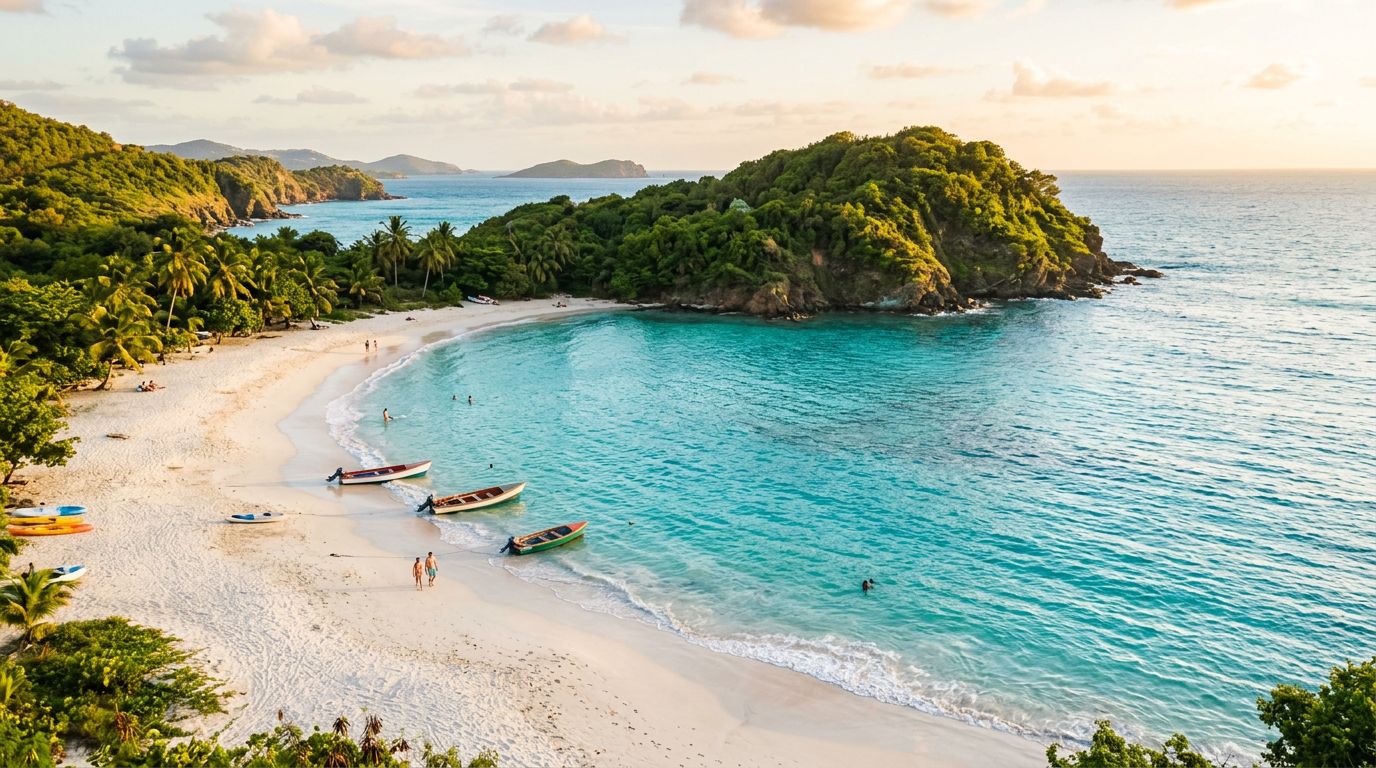
Antigua and Barbuda offers 365 beaches and a relaxed Caribbean pace under one of the region's longer nomad visas — two full years. You'll need $50,000/year in income and a $1,500 fee, but there's no local income tax and approval is fast. A strong pick for a longer Caribbean stay, family included.
Nomad Digital Residence at a glance ✓ Verified Jul 2026
- Income required
- $4167/mo
- Visa cost
- $1500
- Length of stay
- 24 months
- Processing
- 5–7 working days
- Official source: nomad.gov.ag · Verified Jul 2026
Requirements
- Expected income of at least $50,000/year for each of the two years, earned outside Antigua and Barbuda
- Remote work for an employer, clients, or business based abroad
- Valid passport
- Medical insurance covering the intended stay
- Police clearance for each applicant over 16
How to apply
- Confirm you can show at least $50,000/year in foreign income
- Gather documents: passport, proof of income, medical insurance, police clearance
- Apply online through the official Nomad Digital Residence portal
- Pay the $1,500 fee (single; family fees apply, plus $650 per dependent beyond three)
- Receive approval (typically 5–7 working days); the visa allows up to two years
Renewal and long-term stay
- Path to permanent residency: no — time on this visa does not lead to residency
- Path to citizenship: no
The Nomad Digital Residence runs two years, and sources genuinely disagree on whether it can be renewed at all — some state it is issued once and cannot be extended, others describe a single renewal. Assume two years and no more unless the NDR programme office confirms otherwise. Either way it does not lead to residency: Antigua's settlement routes are separate, and the country's citizenship-by-investment programme is a different thing entirely.
Applying: where and how
- Apply from outside the country: yes — apply before you travel
- Where you file: online
Filed online through the government's dedicated Nomad Digital Residence portal — no consulate visit required.
Bringing a partner or children
- Dependants: yes — a partner and children can be included
The Nomad Digital Residence is explicitly designed to admit your immediate family alongside you for the two-year term.
Tax
- Foreign income taxed locally: no — foreign-earned income is not taxed locally
- Special nomad or expat tax regime: no — ordinary resident rates apply
Antigua and Barbuda abolished personal income tax outright in 2016 — no tax on local or worldwide income, no capital gains, inheritance or wealth tax. As with the other zero-tax Caribbean jurisdictions, there is no special nomad regime because there is nothing to exempt you from.
This summarises published rules, not your situation, and it is not tax advice. Two things it can't tell you: your home country may tax you anyway — US citizens are taxed on worldwide income wherever they live — and day-count is only the most common trigger for tax residency, not the only one. Having a permanent home, a family or your centre of economic interests in a country can make you resident well before the day count does. Get advice before you move.
Moving abroad means more than the visa — sort your travel insurance (many visa applications require proof of coverage), set up borderless banking, and land with data working.
First nomad visa? Our digital nomad visa guide explains how qualifying, applying, and taxes work across every country.
Frequently asked questions
How long can I stay?
Up to two years — one of the longer Caribbean nomad visas — and your immediate family can join you.
Will I pay income tax?
No. Nomad Digital Residence holders and their dependents don't pay local income tax during their stay.
What's the income requirement?
At least $50,000/year for each of the two years of the visa, earned from outside Antigua and Barbuda.
How fast is approval?
Quick — typically 5 to 7 working days after a complete application.
More visas in Americas
Argentina
Digital Nomad Visa
Bahamas
BEATS (Extended Access Travel Stay)
Barbados
Welcome Stamp
Brazil
Digital Nomad Visa (VITEM XIV)
Visa rules, income thresholds, and fees change — always confirm the current requirements on the official government source (linked here) before applying. This page is informational, not immigration advice. See how we verify this data — and tell us if something here is out of date.