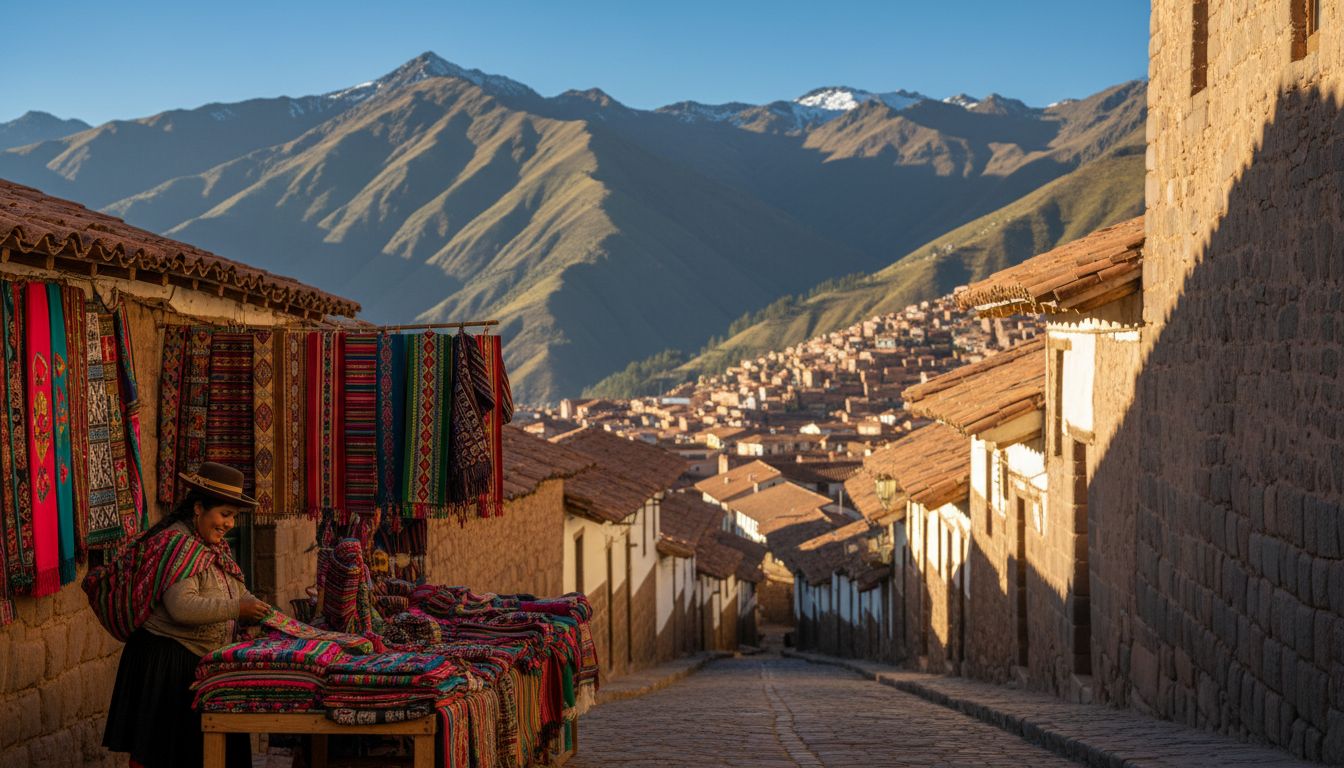
Peru announced a nomad visa you still can't apply for
Peru wrote a digital nomad residence category into law, but as of mid-2026 the application procedure has never been published — there is no way to apply, no official fees, and no launch date. Ignore any site walking you through a Peru nomad visa 'application'; it doesn't exist yet. The good news: nomads live in Peru anyway, on generous tourist stays of up to 183 days a year, with the independent-worker residence route for those who want to stay formally.
Digital Nomad Visa at a glance Announced — not yet open ✓ Verified Jul 2026
- Official source: gob.pe · Verified Jul 2026
Requirements
- Status check (verified July 2026): the nomad-visa category exists in law but Migraciones has not published the procedure — applications are not open
- Announced-but-unconfirmed criteria if it launches: roughly US$2,500/month of remote income earned from employers or clients outside Peru
- Remote work only — the category as written prohibits working for Peruvian companies or earning locally
- What you actually need today: a passport most nationalities can use to enter visa-free as a tourist, with the officer granting up to 183 days per year
How to apply
- Today's realistic route: enter as a tourist — most Western passports are visa-free — and ask for the maximum stay; officers can grant up to 183 days in a rolling year
- Work remotely for foreign clients on that tourist stay, as most nomads in Lima, Cusco, and Arequipa currently do; keep foreign income and local work strictly separate
- Want formal, renewable status? Look at the trabajador independiente (independent worker) residence route with a Peruvian immigration lawyer
- If the nomad-visa procedure ever goes live, apply through Migraciones (migraciones.gob.pe) — check its TUPA updates for the category being switched on
Moving abroad means more than the visa — sort your travel insurance (many visa applications require proof of coverage), set up borderless banking, and land with data working.
First nomad visa? Our digital nomad visa guide explains how qualifying, applying, and taxes work across every country.
Frequently asked questions
Can I apply for Peru's digital nomad visa now?
No. The category was created in law and regulations were even approved, but successive updates to the official procedures came and went without the application process ever being published. As of mid-2026 there is no form, no fee schedule, and no way to file. Any website offering to 'walk you through the application' is describing a visa that cannot currently be obtained.
How do digital nomads stay in Peru legally then?
As tourists. Most Western nationalities enter visa-free and immigration officers can grant up to 183 days in a rolling year — one of the longest tourist allowances anywhere, and enough for a serious stint in Lima or Cusco. Working remotely for foreign employers on a tourist stay is the de facto norm; what's prohibited is working for Peruvian companies or earning income locally.
What income would the visa require if it launches?
The announced figure attached to the category is roughly US$2,500 per month of remote income from outside Peru, provable via bank statements, contracts, or an employer letter — but since the procedure was never published, no figure is operational. Treat it as a signal of intent, not a requirement you can plan around, and verify with Migraciones if the category ever opens.
Is there any formal residence route for remote workers today?
The nearest thing is the trabajador independiente (independent-worker) residence, aimed at freelancers and contractors who can document their income. It's a real, renewable status — but it's paperwork-heavy and typically worth doing with a Peruvian immigration lawyer. For stays under six months a year, the tourist allowance is simpler and what nearly everyone uses.
More visas in Americas
Antigua and Barbuda
Nomad Digital Residence
Argentina
Digital Nomad Visa
Bahamas
BEATS (Extended Access Travel Stay)
Barbados
Welcome Stamp
Visa rules, income thresholds, and fees change — always confirm the current requirements on the official government source (linked here) before applying. This page is informational, not immigration advice. See how we verify this data — and tell us if something here is out of date.