Montenegro digital nomad visa
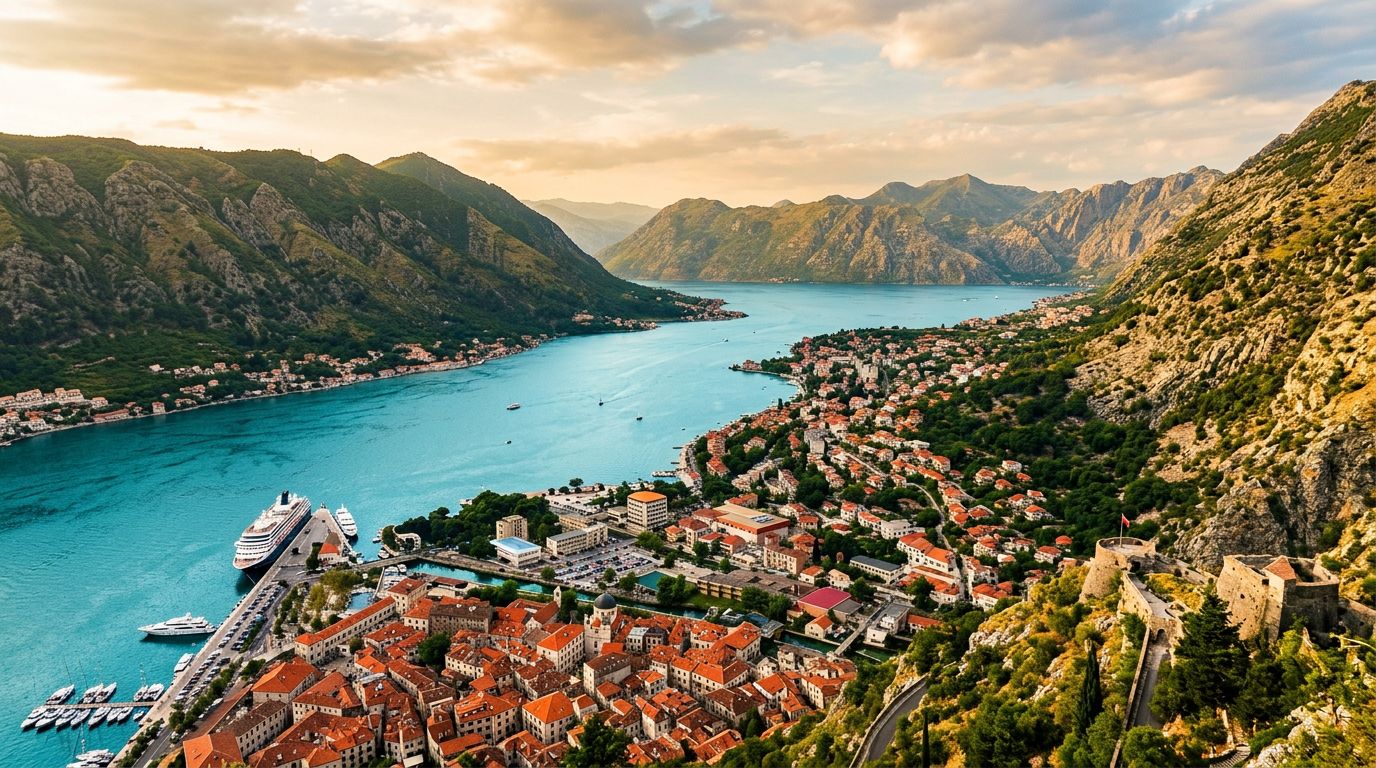
Montenegro packs Adriatic coastline, mountains, and a low cost of living into a small, scenic Balkan country. Its digital nomad visa allows up to four years total, but don't count on a tax break: we found no nomad-specific exemption, and residents are taxed on worldwide income. The current law sets no end date for the program. Some guides cite 31 December 2026; we found no legal basis for it.
Digital Nomad Visa at a glance ✓ Verified Nov 2026
- Income required
- $1950/mo
- Length of stay
- 48 months
- Processing
- 9–12 weeks
- Official source: sluzbenilist.me · Verified Nov 2026
Requirements
- Remote income above roughly 3× Montenegro's minimum wage — in 2026, about €1,800/month (vocational) or €2,400/month (bachelor's degree or higher)
- Proof of remote work for an employer or clients outside Montenegro (employer letter or client contracts)
- Valid passport
- Health insurance valid in Montenegro
- A rental agreement for accommodation in Montenegro
- Clean criminal record, certified and translated into Montenegrin
- Proof that the company you work for (or your own company) is registered in another country
How to apply
- Confirm the current rules with Montenegro's Ministry of Interior — the law sets no end date, though some guides cite 31 December 2026
- Confirm your income clears the threshold for your education level (~€1,800 or ~€2,400/month)
- Gather documents: passport, proof of remote work, proof your company is registered in another country, health insurance, rental agreement, translated criminal record
- Apply in person at the Ministry of Interior office where you're staying, while legally in Montenegro (on a D visa or a visa-free entry), or online through the Ministry's information system and then report to that office in person within 10 days of entering Montenegro for photo and fingerprints — the digitalnomads.gov.me portal exists but often doesn't load from abroad
- Processing runs about 9–12 weeks; the permit allows up to 2 years, renewable once for 4 years total
Renewal and long-term stay
- Renewable: yes, up to 4 years in total
- Path to permanent residency: no — time on this visa does not lead to residency
- Path to citizenship: no
Up to two years, renewable once — four years maximum, and then it ends. The part that catches people: those four years count for nothing toward permanent residence, which needs five continuous years of ordinary temporary residence. If settling is the goal you have to switch to a standard route (company, property, employment, family) early rather than late. Note too that some guides say the programme ends on 31 December 2026; the current law sets no end date, and we found no legal basis for that claim — but confirm the scheme's status before committing.
Tax
- You become tax resident: after 183 days in the country
- Foreign income taxed locally: yes — taxed once you become tax resident
We could not find a published nomad-specific tax exemption here, and we are not going to assume one exists — nor assume it doesn't. What is solid: residents are taxed on worldwide income, and passing 183 days in a year normally makes you resident. Confirm the current position with the national tax authority before you plan around it.
This summarises published rules, not your situation, and it is not tax advice. Two things it can't tell you: your home country may tax you anyway — US citizens are taxed on worldwide income wherever they live — and day-count is only the most common trigger for tax residency, not the only one. Having a permanent home, a family or your centre of economic interests in a country can make you resident well before the day count does. Get advice before you move.
Moving abroad means more than the visa — sort your travel insurance (many visa applications require proof of coverage), set up borderless banking, and land with data working.
First nomad visa? Our digital nomad visa guide explains how qualifying, applying, and taxes work across every country.
Frequently asked questions
Is the Montenegro nomad visa ending?
Not as far as the law shows. The current Law on Foreigners sets no end date for the digital nomad permit. Some guides cite 31 December 2026; we found no legal basis for it. Rules can still change, so confirm the current position with the Ministry of Interior before making plans.
Will I pay tax on the visa?
Possibly — we found no published tax exemption for digital nomads, so don't assume one. Montenegrin residents are taxed on worldwide income, and passing 183 days in a year normally makes you resident. Confirm the current position with Montenegro's tax authority before you plan around it. You may also still owe tax in your home country depending on your citizenship and time abroad.
How long can I stay?
The permit allows up to two years and can be renewed once for another two, for four years maximum. After the four years you must leave for six months before reapplying.
How do I apply?
In person, on the official form, at the Ministry of Interior office in the place you're staying, while you're legally in Montenegro (on a long-stay D visa or a visa-free entry). Since January 2026 the law also lets you file online through the Ministry's information system, as long as you report to that office within 10 days of entering Montenegro to give your photo, fingerprints and signature. The digitalnomads.gov.me portal exists but often doesn't load from abroad. The full process typically takes 9–12 weeks.
More visas in Europe
Albania
Unique Permit (Digital Nomad)
Croatia
Digital Nomad Residence Permit
Cyprus
Digital Nomad Visa
Czechia
Digital Nomad Programme
Visa rules, income thresholds, and fees change — always confirm the current requirements on the official government source (linked here) before applying. This page is informational, not immigration advice. See how we verify this data — and tell us if something here is out of date.